
From Classroom to Kitchen Table: My Top THREE Reasons for Homeschooling
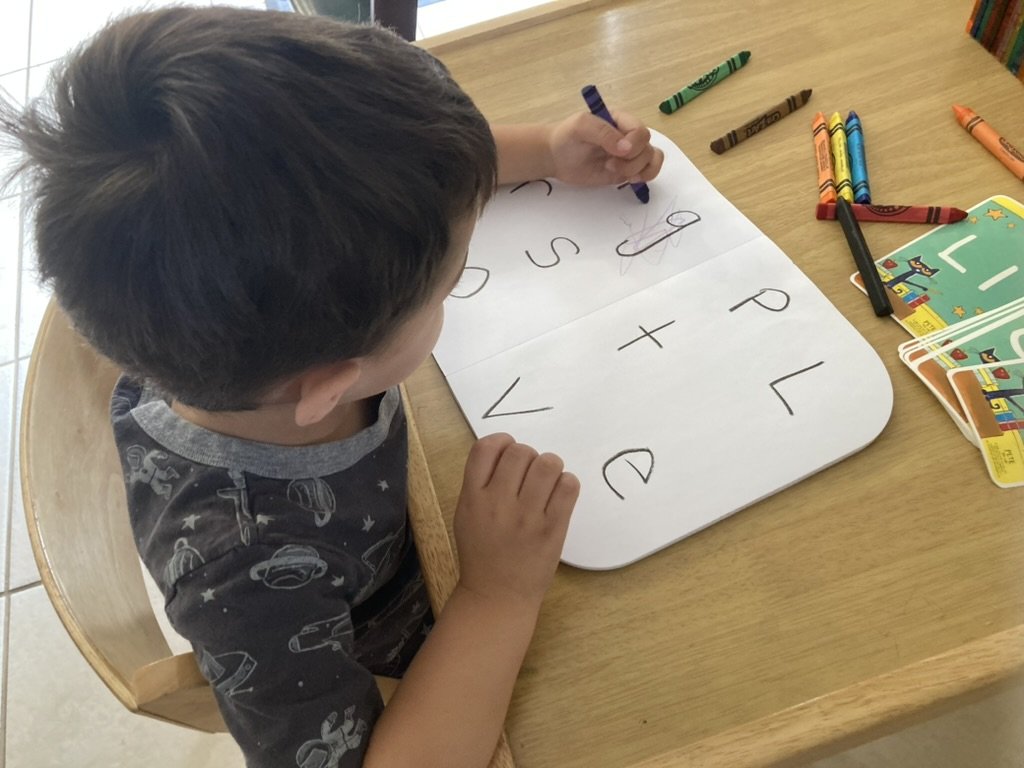
As an early literacy specialist and former public school teacher, I’ve decided to homeschool my children rather than send them to public school. This is an unconventional choice for our family, and I want to share the three main reasons behind it.
#1 Quality of Education
This one isn't a dig at the many talented and passionate educators I’ve been lucky enough to work with throughout my career. I’ve met some truly skilled teachers I’d be happy to trust with my own child's education (Brittany Gardner—I’m looking at you). At the same time, I’ve also encountered some passionate educators who, despite their enthusiasm, did not have the necessary skills, and I wouldn’t feel comfortable trusting my child's learning to them.
Even with wonderful teachers, there are many things beyond their control that can negatively affect children's learning. Budget cuts, overworked teachers, disruptive students—all impact a child's experience. So, despite the fact that my child has a fantastic teacher, their education could still end up being less than ideal.
#2 Socialization
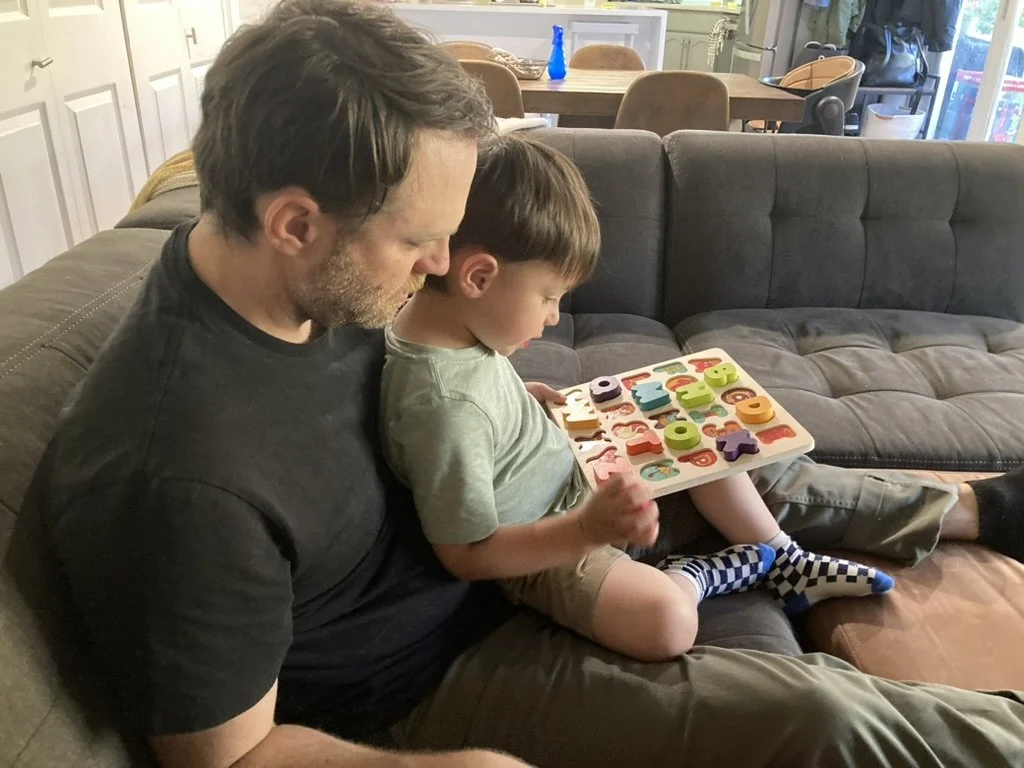
I often hear socialization used as a reason against homeschooling, but I actually see it as a benefit of homeschooling. In traditional schools, students are usually with one adult and a group of same-aged peers for about 30 hours a week. Their social environment is dominated by peers their own age. The real world isn’t that homogeneous.
Authentic socialization involves interacting with people of different ages, ethnicities, and life stages. Throughout my career, I’ve seen children struggle to connect with adults or kids younger than themselves. Homeschooling offers a good balance, giving children the chance to spend meaningful time with a variety of people. It allows them to learn from those who have more life experience and to share their own knowledge with younger generations.
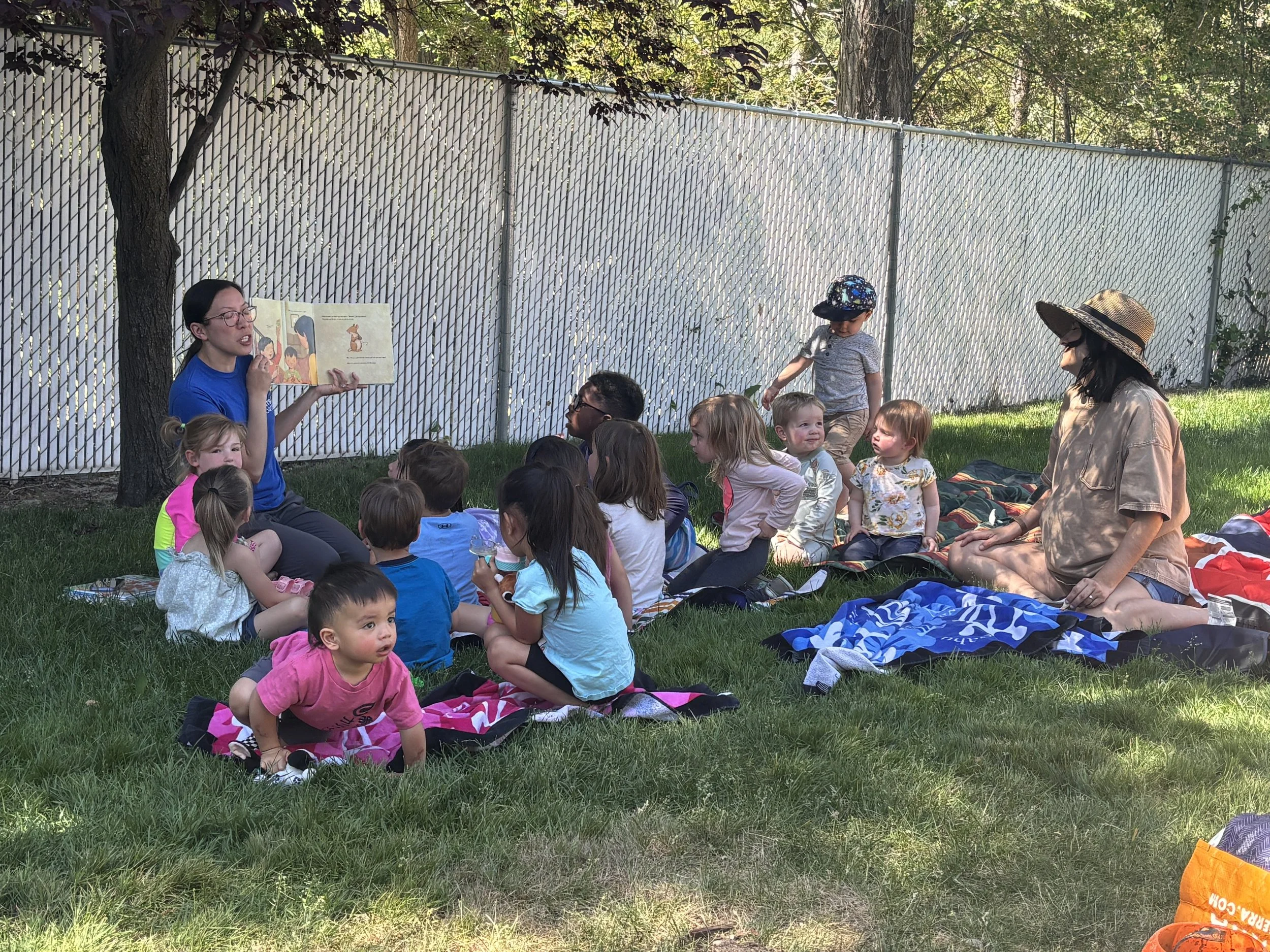
Learning with friends ages 0-6 years.
# 3 Time Stewardship & Flexibility
During COVID-19, I had an eye-opening experience. Teaching half my class at a time due to social distancing initially made me worry I wouldn’t be able to cover as much material. But to my surprise, I actually ended up covering more in less time! With fewer students, there was less need for routines and management, which made me realize that traditional classroom setups can often be a lot of time wasted. Fewer students also showed me that children don’t need six hours in the classroom to learn; their limited attention spans make shorter, focused lessons much more effective.
Time stewardship is really important to my family. We’re not fans of wasting time, and we definitely don’t want to waste our child’s either. If I can get focused lessons done with my son within a few hours, I still have the rest of the school day to focus on other things—like arts, play, family time, and other priorities.
One of the things I really appreciate about homeschooling is how flexible it allows our schedule to be. It gives us the freedom to enjoy a slower pace of life. I love our laid-back mornings, sleeping in a bit and having a relaxed breakfast with the family. It also lets me multitask during the day—working on dinner or doing household chores while the kids are learning. Plus, having a flexible schedule means we can easily jump on opportunities that come up. If the aquarium is having a discount day, no problem, we can pause our planned lessons for the day and take advantage of the sale.

Bonus- I Simply LOVE It!
I really love it. I mean REALLY love it! I’m so passionate about early childhood education and the wonderful world it’s part of. I could easily spend all my time reading about theories, ideas, and the importance of education. I enjoy planning lessons, researching topics, and creating learning environments. I enjoy curating and exploring the best kids’ books and toys. To me, this isn’t just a duty or something I have to do; it’s a true passion, a hobby I genuinely look forward to.